Microsoft Bing Testing Removal of Favicons From Search Result Snippets
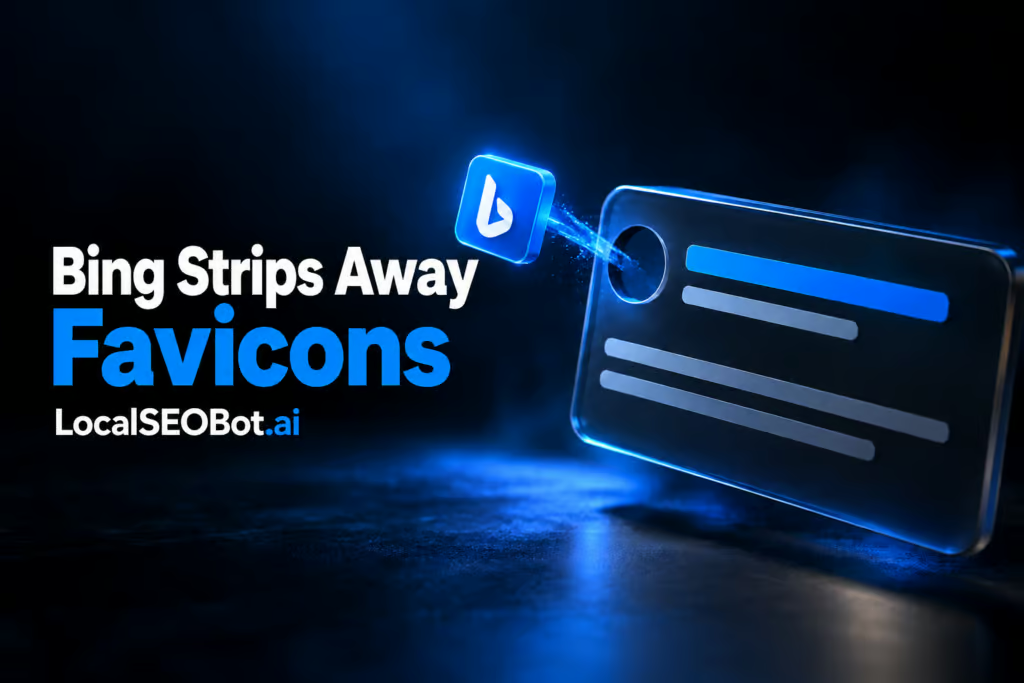
Microsoft Bing is testing the removal of favicons from its search result snippets, leaving each organic listing as a bare blue link and a short description. The change makes the Bing results page look noticeably more text-heavy, because the small site icons that normally sit next to each result are missing from the layout.
What changed in the test
In the normal Bing layout, every organic result shows the site’s favicon on the left, then the page title in blue, then the URL, then the snippet. In this test, the favicon column is gone. The same change is also being applied to sponsored ads, where the little site icon next to a paid listing has been dropped as well.
The result is a results page where each entry is just a blue link, a green URL, and a snippet of text. Without the icons to break up the rows, the page reads more like a plain document than the graphical search results users have become used to.
How the test was spotted
Two people posted screenshots of the favicon-less layout on X and on Search Engine Watch, showing both the modified Bing results and the standard version with favicons for comparison. Independent attempts to reproduce the test at the time the screenshots were shared were not successful, which suggests the change is being shown only to a small slice of Bing users rather than rolled out broadly.
The screenshots show that the sponsored ad slots at the top of the page were also stripped of their favicons, matching the treatment given to the organic listings below.
Why favicons matter on a search results page
Favicons help users distinguish listings on a results page. They serve as a visual cue so users can distinguish one listing from another at a glance, and they help a brand’s site stand out next to competitors ranking for the same query. A recognisable icon next to a link lets users confirm at a glance that they have reached the site they intended, which can serve as a quick trust signal.
Removing them strips all of those cues back. Every organic listing on the page looks the same shape and colour, and the only way to tell one site from another is to read the title and URL. For brands that rely on the favicon for visual recognition in the search results, this is a meaningful change.
What it would mean if the test ships
If Microsoft decides to remove favicons from Bing results for everyone, the practical effect on click-through rates is the open question. A page of identical-looking blue links puts more weight on the page title and meta description to do the work of catching the eye, because there is no icon to draw the user in or remind them of the brand before the title is read.
The change is also being tested against the visual direction of other search engines. Modern Google results use favicons heavily, attaching the site’s icon to each organic listing and to the AI Overviews that appear above them. Bing choosing the opposite direction would push its results page toward a plainer, more text-led look that echoes how results pages used to look before icons were added.
How to check whether you are in the test
The simplest check is to open Bing in an incognito or private window, sign out of any Microsoft account, and run a query that returns a mix of branded and unbranded results. If the favicons are missing from every organic listing and from the ads at the top, you are seeing the test. If the icons are present next to every link, you are on the standard layout. Because the change appears to be limited to a small group of users, the same query from a different device, browser, or signed-in account can produce a different result.
What to do if Bing drops favicons
For SEO and brand work, the practical response is to make sure the page title, the URL, and the meta description are doing the visual work that the favicon used to do, since they will be the entire visible difference between your listing and the one above or below it on the page.
FAQ
Is Bing removing favicons from search results?
Microsoft Bing is testing the removal of favicons from search result snippets. In the test, both organic listings and sponsored ads appear without the small site icons that normally sit next to each result.
Why would Bing remove favicons from results?
The change makes the results page more text-heavy and less cluttered, with each entry appearing as a plain blue link and snippet. The exact motivation for the test has not been stated publicly.
Does the favicon removal affect both ads and organic results?
Yes. Screenshots of the test show that the favicons are missing from both the sponsored ads at the top of the page and the organic results below them.
Related coverage
SEOScanPro
SEOScanPro runs a full technical audit of a site and shows the measured result behind every check. Open the AI visibility report.