Google’s WeatherNext 3 AI Model Adds Live Satellite Data for Higher-Resolution Forecasts
What changed in WeatherNext 3?
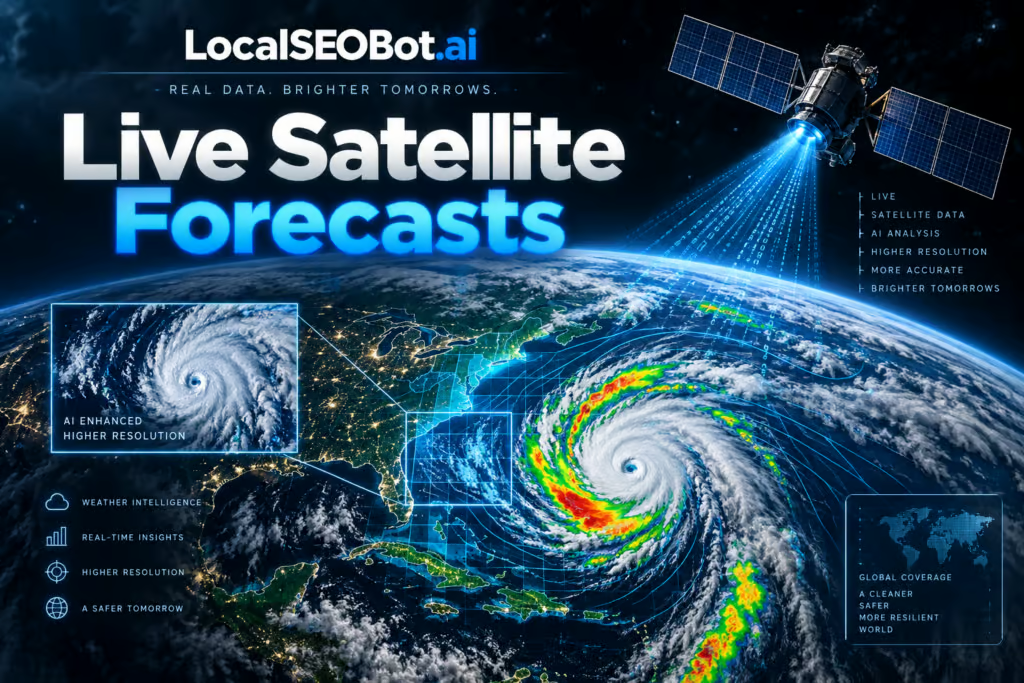
Google DeepMind’s WeatherNext 3 produces hourly forecasts on a 5-kilometer square grid, compared with the 25-kilometer grid used by WeatherNext 2.
According to Google DeepMind, WeatherNext 3’s new training data enables its hourly and higher-resolution forecasts. Earlier systems primarily relied on outputs from numerical weather prediction models, which carry a six-hour lag. WeatherNext 3 adds live satellite observations and sparse weather-station data, giving the system what DeepMind describes as "a rich, continuously updating view of the atmosphere."
Weather-station observations also help the model forecast variables such as humidity at a finer scale.
How much better are the precipitation forecasts?
The model draws on NASA’s satellite-based Integrated Multi-satellite Retrievals for GPM precipitation data and Google’s global precipitation reanalysis based on satellite radar.
These are results against three different verification sources, so they are not interchangeable percentages.
The same announcement compares an 11-kilometer WeatherNext 3 precipitation forecast with a 25-kilometer WeatherNext 2 forecast. It says the newer forecast more closely follows the satellite ground truth and captures sharp convective bands within weather systems.
How could local weather forecasts affect a local business?
What to do now
- Check the forecast at the times customers will visit. Compare hourly conditions with opening hours, appointment schedules and delivery windows rather than looking only at the daily summary.
- Turn likely weather effects into useful customer information. A local business can publish plain updates about rain delays, snow travel conditions, outdoor service restrictions or wind-related changes to appointments.
- Keep the Google Business Profile current. If weather affects phone numbers, opening hours, services or appointment booking, customers should find the correct details on the listing when they search for the business.
- Update the website for temporary changes. When a forecast leads to an operational change, make that information easy to find on the website and connect it with the relevant service or location page.
- Use forecasts as one planning source and check updated forecasts and official warnings regularly, especially when conditions change quickly.
Where is WeatherNext 3 available?
The Google Weather Lab provides a public interface for querying the model.
Why does a 5-kilometer grid matter?
FAQ
Related coverage
SEOScanPro
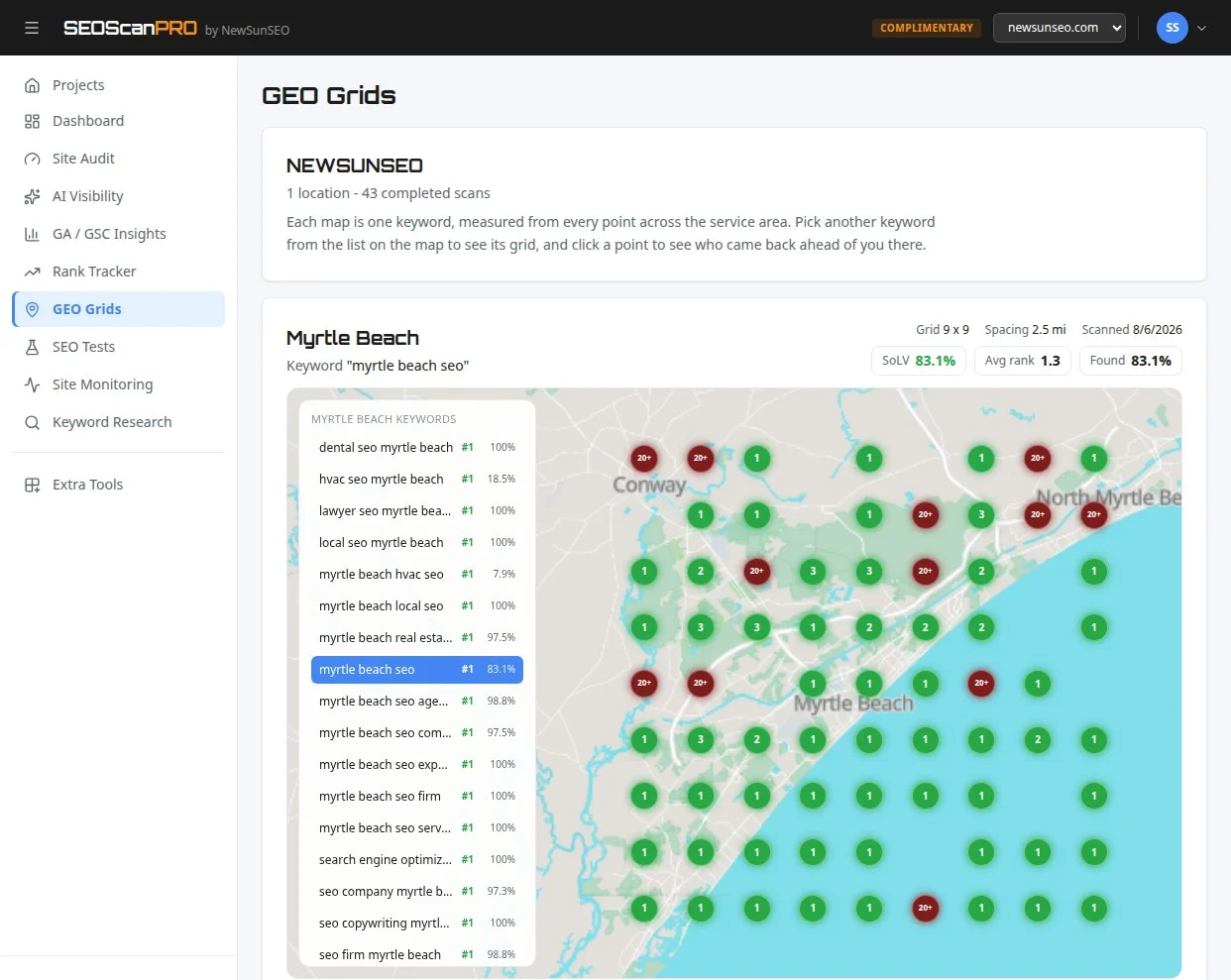
SEOScanPro runs a full technical audit of a site and shows the measured result behind every check. Open the geo grid tool.