Google Discover Conversational Search for Feed Customization

Readers of Google Discover can now shape their own feed using plain language. A new conversational option inside the three-dot menu lets people tell Google what they want to see more or less of, and the feed adjusts in real time while remembering those requests.
How the new Discover conversational option works
Google has added a way to customize Discover using everyday phrasing instead of taps and toggles. From any card in the feed, users open the three-dot menu and describe, in their own words, the topics or sources they want to see more of, or the ones they want dialed back.
The words a user enters are used to reshape the feed on the fly. Google has stated that the feed will adjust immediately and retain earlier instructions, so a reader can refine preferences over time without starting over. The aim is content that matches what a person cares about in the moment, rather than a static set of interests set up once and forgotten.
Why it matters for content teams
For publishers, the change opens two doors. First, it gives editorial teams a way to surface very specific content types and angles by treating Discover itself as a research surface, watching which topics respond well to direct user requests. Second, it creates a path for niche content to be found. A reader who asks Discover to show more of a particular subject is, in effect, opting into that subject, which makes it easier for relevant stories from smaller publishers to reach the right audience.
That signal is stronger than passive scrolling history, and it suggests Discover is adding a query-driven layer to its traditional recommendation model.
What to watch as the feature rolls out
Monitor these three metrics once the conversational option is live in your account.
- The phrases users type into Discover indicate which kinds of posts readers want more of.
- User requests for niche subjects can influence editorial planning and highlight coverage gaps.
- Feed volatility. Because the feed adjusts on the fly and remembers prior requests, one targeted request can change what a user sees for days.
Local search visibility is shaped by signals like these, and a geo grid rank report shows how a business appears across a service area town by town, the kind of view that matters when a single feed change can redirect readers at scale. SEOScanPro’s GEO Grids produce that report.
FAQ
What is the new Google Discover conversational search feature?
It is an option inside the three-dot menu on Discover cards that lets a user describe, in their own words, the topics or links they want to see more or less of. The feed updates right away based on what the user types.
Does Discover keep my feed preferences?
Yes. According to Google, the feed adjusts on the fly and remembers prior requests, so users can keep refining their tastes without resetting the feed each time.
How can publishers benefit from this change?
Publishers can study the requests readers make to identify niche topics worth covering, and the explicit, typed nature of those requests can help niche content reach the audiences that have asked for it.
Related coverage
- Weekly Search News Recap: AI Local Results Slop, Google AI Home Page Buttons, and Meta Building a Search Engine – LocalSEOBot
- Google Search Console Links Report Not Updated In A Month – LocalSEOBot
- Inside Google Maps: 72 Ranking Signals and the Architecture Behind Local Search – LocalSEOBot
SEOScanPro
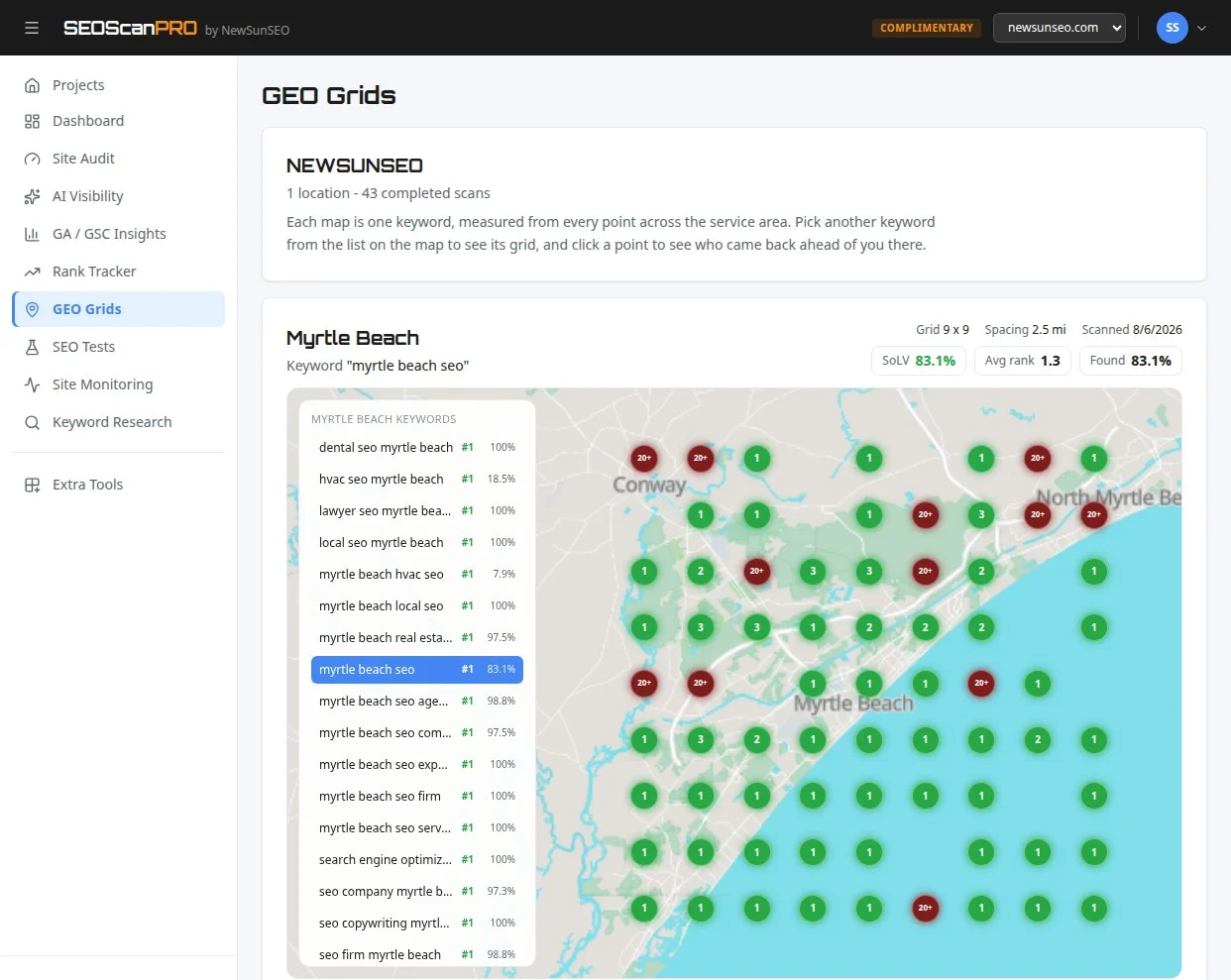
SEOScanPro runs a full technical audit of a site and shows the measured result behind every check. Open the geo grid tool.
This article summarizes reporting from searchengineland.com.