Eastern Power Grid Will Run Out of Emergency Peak Power by 2027
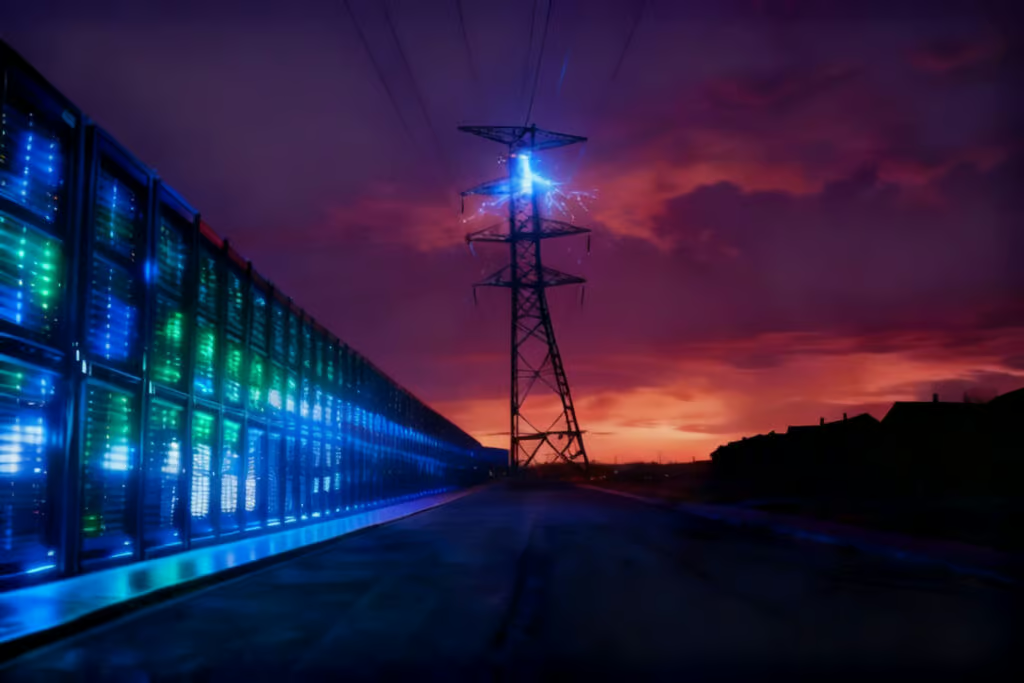
The Eastern Interconnection, the alternating current grid that powers the eastern half of the United States and serves more than half the nation’s population, is projected to run out of emergency peak power reserves by June 2027. The shortfall threatens sustained rolling blackouts during periods of high demand, from the East Coast through the Plains and parts of Texas and the Southeast, undermining the long-held assumption of always-available grid power.
Why It Matters
Electricity reliability underpins every aspect of modern life. Hospitals, data centers, water treatment plants, transportation networks, and digital communications all depend on uninterrupted power. When emergency reserves dip too low, system operators must shed load to prevent catastrophic cascading failures. The Eastern Interconnection’s vulnerability means millions of homes and businesses could face forced outages, disrupting commerce, healthcare, and daily routines.
Grid strain is no longer theoretical. The retirement of baseload coal and nuclear plants, combined with surging demand from artificial intelligence data centers, electric vehicle charging, and the electrification of heating, is squeezing capacity margins. Without rapid new generation or demand-side solutions, the gap between supply and peak consumption will widen to critical levels.
What’s New: The Emergency Peak Deficit
Emergency peak power refers to the extra generation and operating reserves that grid operators can call upon during the highest-demand hours, typically on hot summer afternoons. These reserves act as a buffer against unexpected plant outages or demand spikes. The latest projections indicate that by mid-2027, the Eastern Interconnection will no longer have enough of this cushion to meet forecasted peak loads reliably.
When operating reserves drop below required thresholds, the grid enters an emergency state. Automatic load-shedding protocols kick in, rotating blackouts can begin, and the risk of a widespread uncontrolled outage rises sharply. The June 2027 timeline gives utilities and policymakers a narrow window to act.
When the grid runs out of emergency reserves, the lights don’t wink slowly, they go out.
The Warning
- The Eastern Power Grid will run out of emergency peak power in June 2027.
- The deficit threatens sustained rolling blackouts across the Eastern Interconnection, from the East Coast to the Plains and parts of Texas and the Southeast.
- Capacity retirements, load growth from data centers, and delayed new generation are compressing reserve margins to their lowest in decades.
- Without intervention, system operators may be forced to shed gigawatts of load during peak hours to avoid a total collapse.
What Comes Next
Utilities and grid operators are evaluating emergency measures. These include extending the life of fossil-fuel plants scheduled for closure, accelerating battery storage deployments, and implementing aggressive demand-response programs that pay large consumers to reduce usage when the grid is under stress. Transmission upgrades and new interconnections could also help import power from regions with surplus capacity, though such projects face siting and permitting delays.
At the consumer level, the message is shifting toward self-reliance. Backup generators, rooftop solar paired with home batteries, and community microgrids are being promoted as hedges against extended outages. The combination of federal infrastructure funds and state resilience programs may speed up adoption, but the 2027 deadline remains daunting.
What This Means for You
The reliability warnings are not abstract policy talk, they directly affect households and businesses. A grid that can’t meet peak demand means air conditioners could shut off during a heat wave, medical devices could lose power, and remote work could halt. The prepared will fare far better than the unprepared.
Understanding where the strain comes from is the first step. The explosive growth of AI data centers, in particular, is reshaping local load profiles. One recent example is the fight over Vantage Data Center’s backup generators in Sterling, Virginia, where noise complaints masked a deeper story about how hyperscale computing is testing grid limits. That same dynamic is playing out across the Eastern Interconnection.
Staying informed about grid conditions in your region and exploring technology solutions for backup power, from portable batteries to whole-home solar-plus-storage, is a practical path forward. The June 2027 deadline is not a call to panic; it is a call to plan.
The Bigger Picture
The Eastern Power Grid’s projected emergency reserve shortfall is a stress test for the country’s energy transition. It exposes the tension between retiring reliable but carbon-intensive plants and the pace at which clean, firm, and flexible resources can be deployed. The outcome will shape energy policy, data center siting, and individual preparedness for years to come.